
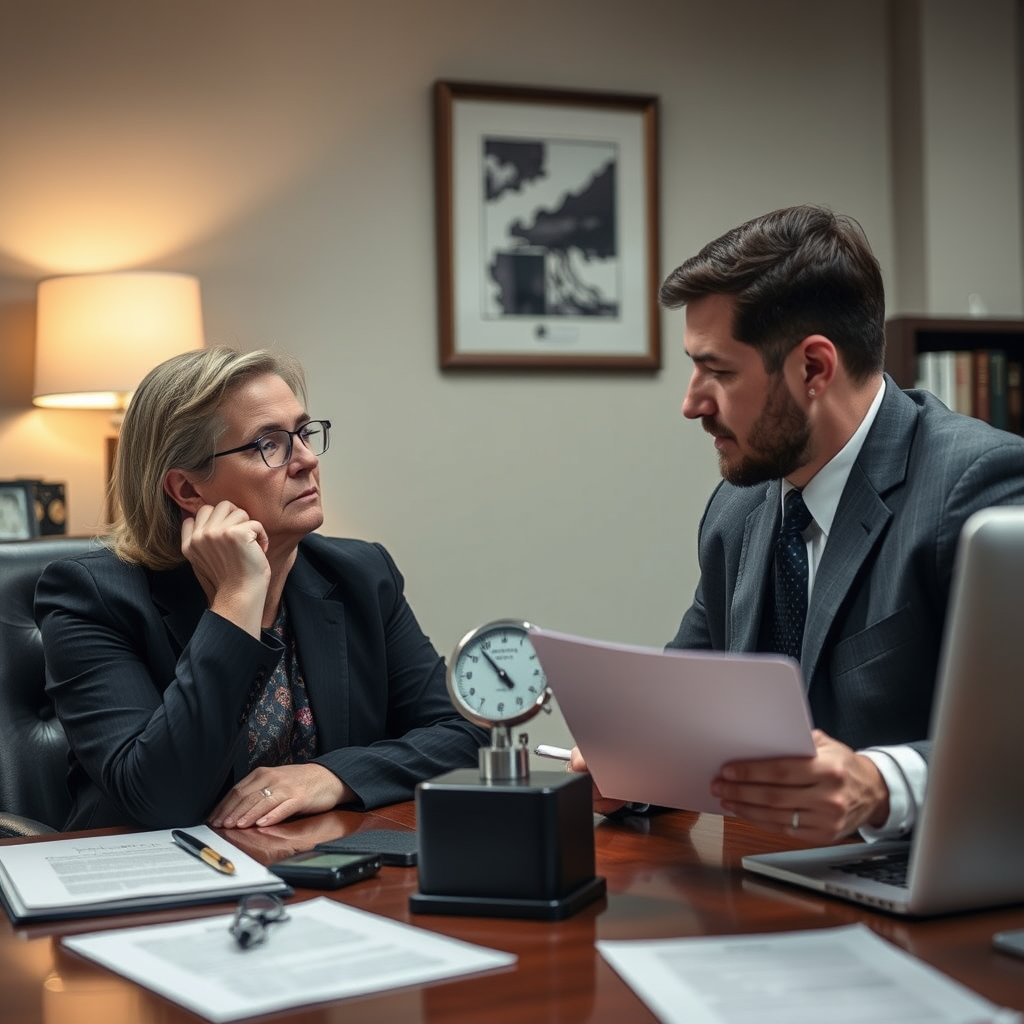
Calibrating Your Speedometer for Court in Virginia: A Defense Strategy
As of December 2025, the following information applies. In Virginia, calibrating a speedometer for court involves demonstrating its accuracy as a potential defense against a speeding ticket or reckless driving charge. This process can be a powerful tool to challenge the evidence presented by law enforcement. The Law Offices Of SRIS, P.C. provides dedicated legal defense for these matters, helping clients understand their options and pursue a favorable outcome.
Confirmed by Law Offices Of SRIS, P.C.
What is Calibrating Your Speedometer for Court in Virginia?
Calibrating your speedometer for court in Virginia refers to the formal process of having your vehicle’s speed-measuring device tested and verified for accuracy. When you’re accused of speeding, the officer’s radar or lidar reading is often the primary evidence. However, if your car’s speedometer itself was inaccurate, showing you were driving slower than your actual speed, or vice-versa, that inaccuracy could affect your defense. This isn’t about simply checking if your speedometer works; it’s about obtaining a certified report from a qualified facility that can be presented as evidence. This report details any discrepancies between your speedometer’s reading and your actual speed, offering a measurable and objective data point. Understanding this process is key to exploring all available defenses when facing traffic charges in the Commonwealth.
Takeaway Summary: Speedometer calibration for court in Virginia means obtaining a certified report on your vehicle’s speed-measuring accuracy to use as evidence in a traffic case. (Confirmed by Law Offices Of SRIS, P.C.)
How to Calibrate Your Speedometer for Court in Virginia?
If you’re considering speedometer calibration as part of your defense in Virginia, it’s a specific process that needs to be followed carefully to ensure the results are admissible and impactful in court. It’s not just a quick check; it involves professional testing and documentation. Here’s a general rundown of how you might go about it:
Find a Reputable Calibration Facility:
Your first step is to locate a facility that performs certified speedometer calibrations. These are often automotive repair shops with specialized equipment, but you might also find independent calibration services. It’s important that the facility is recognized and that their methodology is sound enough to stand up in court. Ask for their credentials and experience in providing reports for legal proceedings. Make sure they understand the specific requirements for court documentation.
Schedule the Calibration Appointment:
Once you’ve found a suitable facility, schedule an appointment. Be clear that you need the calibration for court purposes. This often means they’ll need to provide more than just a verbal assurance; you’ll require a detailed, signed, and possibly notarized report outlining their findings. Discuss the timeline for receiving this report, as court dates can be fast-approaching.
Undergo the Calibration Test:
During the test, your vehicle will typically be put on a dynamometer, or driven on a controlled track, to accurately measure its speed against your speedometer reading at various speeds. The technicians will assess whether your speedometer reads higher or lower than your actual speed and by what margin. They might test at speeds commonly associated with traffic violations to provide the most relevant data for your case.
Obtain a Certified Report:
The most important output from this process is the official report. This document should clearly state the date of calibration, the vehicle’s make, model, and VIN, the equipment used for testing, the technician’s credentials, and, most critically, the results of the accuracy test. It should specify the measured speeds versus the speedometer readings, including any percentage of error. This report needs to be formally presented as evidence in your court case, so ensure it’s professional and easy to understand.
Consult with a Knowledgeable Attorney:
Before, during, or after you get your speedometer calibrated, it’s always wise to discuss your options with an attorney experienced in Virginia traffic law. They can advise you on whether a speedometer calibration report is a strong defense for your specific situation, how to properly introduce it as evidence, and what impact it might have on the outcome of your case. A knowledgeable attorney can also help you understand the nuances of Virginia’s legal requirements for such evidence.
Prepare for Court:
With the certified calibration report in hand and having discussed your strategy with your legal counsel, you’ll be better prepared for your court appearance. Your attorney can use this report to argue that any alleged speeding was due to an inaccurate speedometer, potentially leading to a dismissal, reduced charge, or a more favorable outcome. Remember, the report is a piece of evidence, and its effectiveness often depends on how it’s presented and integrated into your overall defense.
It’s important to remember that while a speedometer calibration can be a helpful piece of evidence, it’s not a guaranteed winning strategy on its own. The court will consider all evidence presented, and a seasoned attorney can help weave the calibration report into a comprehensive defense strategy, explaining its relevance and implications to the judge. This methodical approach is essential to maximize your chances of a positive result in a Virginia traffic court.
Can a Speedometer Calibration Be Used as a Defense in Virginia Traffic Court?
Yes, absolutely! In Virginia, a speedometer calibration can indeed be a legitimate and powerful tool in defending against traffic charges like speeding or reckless driving. It’s not a magic bullet, but it provides tangible, scientific evidence that can challenge the prosecution’s claims about your speed. Think about it: if the police officer relies on their radar gun to prove your speed, and you can show that your car’s speedometer was consistently reading lower than your actual speed, that creates reasonable doubt.
The core idea behind this defense is to demonstrate that you were operating your vehicle based on the information provided by your own instrumentation, and if that instrumentation was faulty, you shouldn’t be held entirely responsible for a speed discrepancy. For example, if your speedometer showed 60 mph but a calibration report proves you were actually going 65 mph, it presents a compelling argument that you weren’t intentionally exceeding the speed limit or that the degree of your alleged violation was less severe than claimed.
However, it’s not as simple as just saying your speedometer was off. You need a formal, certified calibration report, as detailed above, that clearly outlines the inaccuracy. This report serves as documented evidence that a qualified professional has tested your vehicle’s speedometer and confirmed its margin of error. Without such documentation, it’s often just your word against the officer’s equipment, which typically doesn’t hold much weight in court.
A knowledgeable attorney can effectively use this report. They can present it to the judge, explain its implications, and argue how it impacts the evidence against you. They might even call the calibrating technician to testify, if necessary, to explain the process and findings. This defense can be particularly useful in cases where the alleged speed is just over the limit, or where a slight difference in speed could mean the difference between a simple speeding ticket and a more serious reckless driving charge with harsher penalties.
It’s also important to understand the limitations. This defense works best when the calibration shows a consistent error that accounts for the alleged speeding. If the calibration shows your speedometer was accurate, then this specific defense won’t apply. Additionally, the judge will weigh this evidence against all other factors in the case. But make no mistake, when properly prepared and presented, a speedometer calibration report can significantly bolster your defense, making it harder for the prosecution to prove their case beyond a reasonable doubt.
Blunt Truth: Relying solely on your intuition that your speedometer is off won’t cut it in court. You need hard evidence, and that’s exactly what a professional calibration provides. It shifts the argument from anecdotal to factual.
Why Hire Law Offices Of SRIS, P.C. for Your Virginia Speeding Defense?
Facing a speeding ticket or a reckless driving charge in Virginia can be a truly stressful experience. It’s not just about paying a fine; these charges can lead to demerit points on your driving record, increased insurance premiums, and in severe cases, even license suspension or jail time. That’s where having the right legal support can make all the difference. At Law Offices Of SRIS, P.C., we understand the anxiety and uncertainty these situations bring, and we’re here to provide the seasoned defense you need.
Mr. Sris, the founder of Law Offices Of SRIS, P.C., brings a wealth of experience to every case. He knows the Virginia legal system inside and out, and he understands the nuances of traffic law. As Mr. Sris himself states:
“My focus since founding the firm in 1997 has always been directed towards personally handling the most challenging and complex criminal and family law matters our clients face.”
This personal commitment to challenging cases extends directly to defending our clients against traffic violations, including those where a speedometer calibration might be a key element of the defense. We don’t just process paperwork; we build robust defense strategies tailored to your specific circumstances, exploring every avenue to protect your driving privileges and your future.
Our firm is dedicated to being a staunch advocate for our clients. We take the time to listen to your story, explain the legal process in plain language, and help you understand your options without resorting to complicated legal jargon. We’ll investigate the details of your stop, scrutinize the evidence, and determine if a speedometer calibration, or any other defense, could benefit your case. We work diligently to challenge the evidence presented by the prosecution, whether that involves questioning the officer’s methods, the accuracy of their equipment, or introducing your own counter-evidence like a calibration report.
Choosing Law Offices Of SRIS, P.C. means you’re not alone in court. We’ll be right there with you, representing your interests with vigor and precision. We’ll aim to achieve the best possible outcome for your situation, whether that’s getting charges dismissed, negotiating for a reduced charge, or minimizing the impact on your driving record. Our proactive and empathetic approach ensures that you feel supported and informed throughout the entire legal process.
Don’t let a traffic ticket or a reckless driving charge derail your life. Let our knowledgeable team put our experience to work for you. We are ready to provide a confidential case review to discuss the specifics of your situation and outline how we can assist you.
Law Offices Of SRIS, P.C. has locations in Fairfax, Virginia, and is conveniently located to serve clients across the state. Our Fairfax location is:
4008 Williamsburg Court, Fairfax, VA, 22032
You can reach us directly at: +1-703-636-5417
Call now to speak with a dedicated legal professional and begin building your defense. We are here to help you navigate these challenging times with confidence and clarity.
Frequently Asked Questions About Speedometer Calibration for Court
Q1: Is speedometer calibration always accepted as a defense in Virginia?
While often accepted, a speedometer calibration report’s impact depends on court, judge, and specific case facts. It is not a guaranteed dismissal. The report must be certified, professional, and clearly show the discrepancy to be most effective when presented by legal counsel.
Q2: How much does it cost to get a speedometer calibrated for court?
The cost varies significantly based on the facility and the type of vehicle. Expect to pay anywhere from $100 to $300 or more for a certified calibration report suitable for court. It’s an investment for a strong defense.
Q3: What kind of facility performs certified speedometer calibrations?
Certified calibrations are typically performed by specialized automotive repair shops with dynamometers or dedicated calibration service centers. Ensure they have experience providing reports for legal proceedings and can certify their findings professionally for court use.
Q4: How long does a speedometer calibration take?
The actual calibration test itself might only take an hour or two. However, obtaining the official, detailed, and certified report suitable for court can take longer, depending on the facility’s processing time. Plan ahead before your court date.
Q5: Can I calibrate my own speedometer?
No, for court purposes, a self-calibration is not sufficient. You need a certified report from an independent, reputable facility using professional equipment. The court requires objective, verifiable evidence from a qualified third party to consider it valid.
Q6: Does a speedometer calibration work for all types of traffic violations?
It’s most relevant for speeding tickets and reckless driving charges where speed is the core issue. It might be less relevant for violations like running a red light or improper lane change where speed is not the primary factor in the alleged offense.
Q7: What if my speedometer was accurate according to the calibration?
If the calibration shows your speedometer was accurate, then this specific defense strategy won’t be applicable. You would then need to explore other potential defenses with your attorney. It’s still valuable information to have, even if not directly helpful for a speed defense.
Q8: Can a lawyer help me find a calibration facility?
Yes, an experienced traffic attorney can often provide recommendations for reputable speedometer calibration facilities in Virginia that they’ve worked with before. They understand the type of report required for court and can guide you through the process effectively.
Q9: What documentation do I need from the calibration?
You need a formal, written report detailing the vehicle’s information, date of test, testing methodology, equipment used, technician’s credentials, and, most importantly, the specific findings showing the speedometer’s accuracy or inaccuracy at various speeds. Ensure it’s signed.
Q10: Is a speedometer calibration report legally binding?
A calibration report is a piece of evidence, not legally binding on its own. The judge considers it alongside all other evidence. Its strength lies in its objective nature, but a judge ultimately decides its weight and impact on the overall case outcome.
The Law Offices Of SRIS, P.C. has locations in Virginia in Fairfax, Loudoun, Arlington, Shenandoah and Richmond. In Maryland, our location is in Rockville. In New York, we have a location in Buffalo. In New Jersey, we have a location in Tinton Falls.
Past results do not predict future outcomes.