
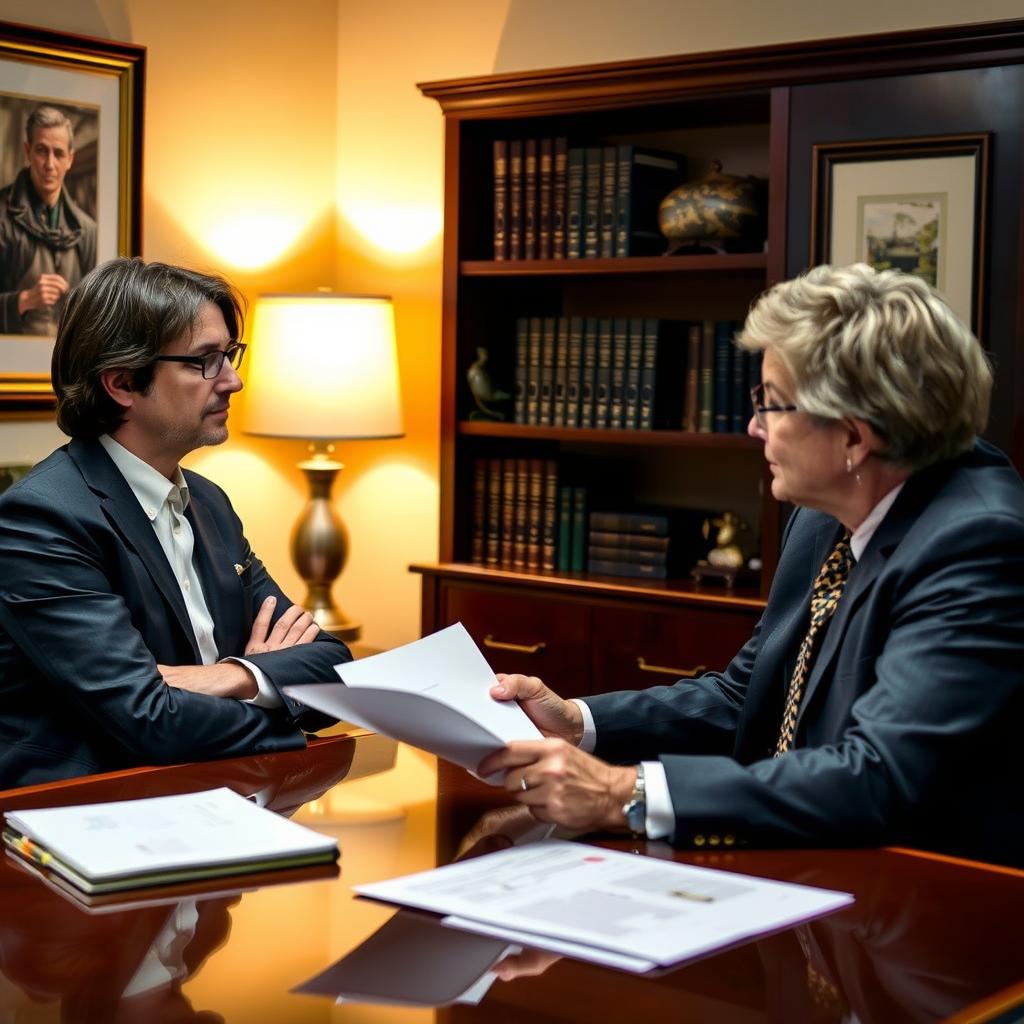
Leaving the Scene Defense Lawyer Lexington, VA
A charge of leaving the scene of an accident in Lexington, Virginia is not a minor traffic ticket. Under Virginia Code § 46.2-894, failing to stop after a crash that causes injury, death, or property damage can trigger criminal charges, including a misdemeanor or felony offense depending on the circumstances. At Law Offices Of SRIS, P.C., Mr. Sris and his Of Counsel defend drivers accused of leaving the scene in Lexington General District Court. Our team understands how these cases are investigated and prosecuted, and we work to protect your driving record, your liberty, and your future. If you have been charged with leaving the scene in the Lexington area, reach our firm at (888) 437-7747 to request a consultation. Law Offices Of SRIS, P.C. – Advocacy Without Borders.
What Leaving the Scene Defense Means in Lexington, Virginia
Virginia law requires any driver involved in a crash that results in injury, death, or damage to attended property to stop immediately, provide identifying information, and render reasonable assistance. Violating this duty constitutes leaving the scene, commonly known as hit and run. In Lexington, these charges are heard at the Lexington General District Court, located at 2 South Main Street, before the Twenty-fifth Judicial District. The prosecution must prove both that a crash occurred and that the driver knowingly left without meeting the required obligations.
Penalties depend on the specific facts. When the crash causes only minor property damage, the offense is generally a Class 1 misdemeanor, carrying up to twelve months in jail and a fine of up to $2,500. If the crash results in injury or death, the charge escalates to a Class 5 felony, which can bring a significantly longer period of incarceration. Where the accident involves attended property damage exceeding $1,000, the charge is a Class 6 felony. A conviction also triggers DMV demerit points, a possible license suspension, and a criminal record that can affect employment, education, and insurance coverage. Because the stakes are high, a defense that challenges the evidence, the identification of the driver, or the circumstances of the stop is essential.
Lexington’s location along the I-81 corridor means that both residents and out-of-state motorists can find themselves facing these charges after a rear-end collision, a sideswipe, or a single-vehicle incident. The General District Court handles arraignments, bond determinations, and trials for misdemeanor leaving-the-scene cases; felonies are resolved in the Circuit Court following a preliminary hearing or indictment. Mr. Sris and his Of Counsel are experienced in the procedural and substantive aspects of these cases and understand the expectations of local judges and prosecutors.
How Mr. Sris and His Of Counsel Handle Leaving the Scene Defense Cases
Every leaving-the-scene case begins with a thorough analysis of the investigation. Law enforcement reports, witness statements, and any available video or photographic evidence are reviewed to identify weaknesses in the prosecution’s case. Often, a charge rests on the testimony of a single witness or a partial license-plate identification, and a skilled challenge can raise reasonable doubt about the driver’s identity or whether the driver actually knew a crash had occurred. Mr. Sris and his Of Counsel team scrutinize procedural compliance as well—if an investigating officer failed to properly identify the defendant or conducted an unlawful stop, the evidence may be challenged.
Defense strategy may also focus on negotiating with the Commonwealth’s Attorney. In many Lexington leaving-the-scene cases, the commonwealth is willing to amend the charge to a lesser offense, such as improper driving or a traffic infraction, particularly when the driver has no prior criminal record and has taken steps to address any damage. Where dismissal is not possible, our team prepares for trial by presenting a comprehensive defense that can include accident reconstruction, witness credibility challenges, and character evidence. Throughout the process, clients are advised about the potential consequences of a conviction and the benefits of each option, allowing them to make informed decisions.
About Mr. Sris and His Of Counsel Team
Law Offices Of SRIS, P.C. was founded in 1997 by Mr. Sris, a former prosecutor who understands how the other side builds a leaving-the-scene case. His experience gives him insight into charging decisions and the types of evidence prosecutors rely upon. Today, Mr. Sris leads a multi-state practice that appears regularly in courts across Virginia, including the Lexington General District Court.
Mr. Sris’s Of Counsel team includes attorneys who have served as a former prosecutor and as a former Virginia State Trooper. This blend of prosecutorial and law-enforcement experience means that our defense approach considers not only the legal arguments but also the investigative tactics and documentation employed by police. Mr. Sris and his Of Counsel bring extensive combined legal experience to each case, working to secure the trusted achievable resolution under the facts. Results may vary.
Frequently Asked Questions
What should I do if I am charged with leaving the scene in Lexington?
Contact a traffic defense attorney immediately and do not discuss the facts of the case with anyone except your lawyer. Anything you say to police, insurance adjusters, or even on social media can be used against you. Early legal guidance gives you the trusted opportunity to preserve evidence, identify witnesses, and develop a defense strategy before your first court appearance.
Is leaving the scene a criminal offense in Virginia?
Yes. Leaving the scene of an accident in Virginia is a criminal offense, not a simple traffic ticket. Under Virginia Code § 46.2-894, the charge is a Class 1 misdemeanor if the crash results in minor property damage, a Class 6 felony if the damage to attended property exceeds $1,000, and a Class 5 felony if the crash causes injury or death. A criminal conviction carries jail time, fines, and a permanent record.
How does a lawyer defend against leaving the scene charges?
Defense strategies may include challenging the identification of the driver, showing that the driver was unaware a crash occurred, or arguing that the driver stopped and complied with the law’s obligations. In Lexington, the defense also examines whether the Commonwealth can prove that the vehicle involved was the defendant’s and whether any damage reported is attributable to the crash in question. Procedural errors by police can also be grounds to challenge the charge.
What are the possible penalties for leaving the scene in Lexington?
A misdemeanor conviction can result in up to twelve months in jail and a $2,500 fine, while a felony can bring years of imprisonment. Additionally, the DMV assesses demerit points, and the court may suspend your driver’s license. A leaving-the-scene conviction stays on your criminal record permanently and can affect your employment, housing, and professional licenses.
Do I need a lawyer for a leaving the scene charge in Lexington?
While you are not legally required to hire a lawyer, the risks of a criminal conviction make legal representation strongly advisable. An experienced attorney can evaluate the evidence, negotiate with the prosecutor for a reduced charge or dismissal, and present a defense at trial. Without counsel, you may miss critical procedural or factual defenses that could change the outcome of your case.
How does the Lexington General District Court process leaving the scene cases?
At your first appearance, the judge will advise you of the charge, and you will enter a plea. If you plead not guilty, a trial date is set. The trial is a bench trial, meaning no jury is involved. The prosecutor must prove each element beyond a reasonable doubt. The timeline varies based on the court’s calendar and the complexity of the case, but the period from arraignment to trial generally spans several weeks to a few months.
Visit our Fairfax County traffic lawyer page, our Fairfax City traffic lawyer page, and our Falls Church traffic lawyer page for information on representation in neighboring jurisdictions. Also see Prince William County traffic lawyer and Manassas traffic lawyer. For the full statutory analysis, review Virginia Code § 46.2-894 and the Lexington General District Court website.
Attorney advertising. Prior results do not guarantee a similar outcome. Results may vary.
Case results depend on a variety of factors unique to each case.